AGP Executive Report
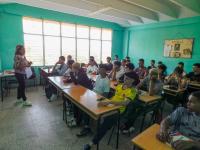
Last update: 4 hours agoUN Embargo Vote: Cuba says it will again ask the General Assembly to condemn the U.S. embargo, with the vote expected today and Wednesday. Havana accuses Washington of pressuring countries to weaken support; the resolution is nonbinding. Power and Prices: In Chambas, residents report just 90 minutes of electricity a day, months without TV and failing phone service. The dollar reached 843 pesos on Monday as the peso continued to slide. Education Under Strain: The University of Las Tunas is shifting programs to blended learning, using municipal campuses to reduce travel and housing costs amid the economic crisis. U.S. Pressure: President Trump has renewed threats of a military “stopover” in Cuba after the Iran conflict, while Secretary of State Marco Rubio urged Cubans seeking change to work discreetly with the CIA.
Note: AI summary from news headlines; neutral sources weighted more to help reduce bias in the result. Feedback is welcome. Please let us know if you have any comments or suggestions about the AGP Executive Report.



 Perspectify News